Aerial Crop Spraying: What It Means for Modern Farming
Farming has always been a race against time. By the time you spot a pest outbreak or a nutrient deficiency in a field, the window for action is often narrow. For years, the only options were tractor-mounted booms, hand-held sprayers, or hiring a fixed-wing aircraft and hoping the weather held. Then came the quiet hum of rotors over the fields. Aerial crop spraying has shifted from a novelty to a practical tool for many growers, and the change is worth understanding.
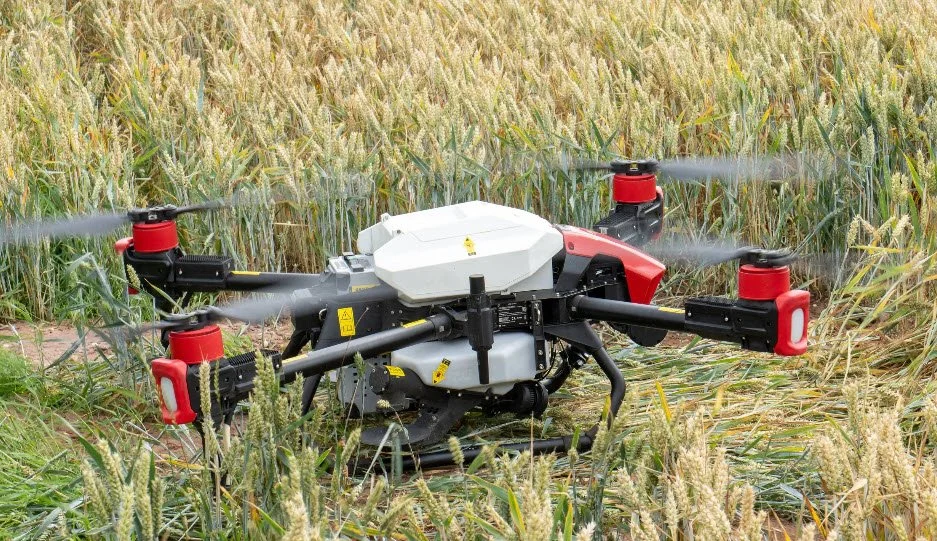
When I first saw an agricultural drone working a wheat field in East Anglia, I was struck by how different it looked from the crop dusters of old. No pilot in a cockpit, no long turnaround runs. Just a compact machine moving methodically back and forth, its rotors barely disturbing the crop beneath. That image stayed with me, because it captures the real promise of this technology: precision, speed, and the ability to work on your own terms.
Why Aerial Crop Spraying Is Gaining Ground
The shift toward aerial crop spraying is not about replacing tractors overnight. It is about filling the gaps where ground equipment struggles. Wet fields that bog down heavy machinery, tall crops that close over the rows, and steep slopes that make wheeled access dangerous are all situations where a drone can step in. In those conditions, a small Unmanned Aerial Vehicle can cover ground that would otherwise be left untreated, and that can make the difference between saving a crop and losing it.
There is also the matter of timing. Pests and diseases do not wait for a dry spell. With a drone, you can be out spraying the same day you spot the problem, as long as the wind is below the safe limit. For a grower managing hundreds of hectares, that responsiveness matters. It is not just about convenience; it is about protecting yield before the damage becomes irreversible.
The Tools and the Trade-Offs
Agricultural drones have come a long way from the early DIY builds. Models like the DJI Agras series have become common on UK farms, offering tank sizes that suit medium-sized fields and a level of autonomy that makes operation simpler than you might expect. On the heavier end, the Yamaha RMax has been a staple in Japan for decades, proving that unmanned helicopters can do real work in rice paddies and orchards. The choice between a multirotor and a single-rotor platform often comes down to payload, endurance, and the shape of your fields.
But there is no perfect machine. A drone with a 10-litre tank is not going to cover a 50-hectare field in one sortie, and battery life still limits how much you can do in a day. That is where planning comes in. You map the field, identify the zones that need treatment, and then decide whether a drone is the right tool for the whole job or just the awkward parts. Sometimes it is faster to bring in a tractor for the open ground and use the drone for headlands and wet patches. Good agronomy is about making those calls, not about owning the flashiest kit.
Regulations and Practical Realities
Anyone flying a drone for commercial crop work in the UK has to answer to the Civil Aviation Authority. The CAA regulations require you to hold the right permissions, keep within visual line of sight unless you have a specific waiver, and follow the manufacturer's safety guidance. That might sound like red tape, but it exists for good reason. A 25-kilogram drone carrying a tank of agrochemicals is not a toy, and the consequences of a failure are serious.
It is worth noting that regulations differ around the world. In the United States, the FAA regulations have opened up more flexibility for agricultural operations, but the rules still demand a remote pilot certificate and a clear understanding of airspace. If you are thinking of using drones on your farm, the first step is not buying hardware. It is checking what your local authority allows and making sure your operator has the right credentials.
Precision Agriculture and the Data Behind It
The real power of aerial crop spraying becomes clear when you link it to data. Field mapping with drones or satellites gives you a detailed picture of variability across a field. Some areas will have more weed pressure, others will be thinner or more stressed. Instead of treating the whole field the same, you can use variable rate application to adjust the amount of pesticide or fertiliser in real time. That is precision agriculture in action, and it is where the environmental and economic benefits stack up.
Less chemical in the right places means lower input costs and a smaller environmental impact. You are not drenching the soil with excess agrochemicals just to be safe. You are targeting the problem where it actually exists. Remote sensing can also help you spot issues early, before they become visible to the naked eye. A crop that is stressed by drought or disease often shows a change in reflectance, and that signal can guide your spraying plan.
Drone Spraying Versus Traditional Methods
There is a common question: is drone spraying better than a tractor? The answer depends on the job. For a large, flat field in perfect conditions, a modern sprayer with GPS guidance will still cover more hectares per hour. But that same tractor will compact the soil, leave tramlines that affect the crop, and struggle in wet weather. Drone spraying offers a different set of trade-offs. It is lighter on the land, can work in tighter spaces, and gives you a level of accuracy that is hard to match with a boom.
It is also quieter, which matters if you are working near houses or livestock. And because the drone flies above the crop, it does not flatten the plants or knock off the flowers. For crops like oilseed rape or beans, that can mean less damage and better yield. The trade-off is capacity. A drone will not replace a 24-metre boom sprayer for the main season, but it is a brilliant complement for spot treatments, late-season top-ups, and areas that are hard to reach.
Fertiliser Spreading and Seed Sowing
Spraying is only part of the story. The same agricultural drones that deliver pesticide application can also spread fertiliser and even sow seed. In the UK, we have seen drones used to overseed grass leys, to establish cover crops after harvest, and to apply slug pellets in wet conditions where a tractor would cause damage. The ability to switch between a spray tank and a spreader hopper makes these machines versatile tools on a mixed farm.
Seed sowing from the air is not about replacing the drill. It is about getting seed into places where a drill cannot go, or doing it quickly after a storm has washed out a headland. The precision of GPS guidance means you can place seed exactly where you want it, and the drone's downwash can help press the seed into contact with the soil. It is a technique that has real potential for cover cropping and for repairing patchy stands.
The Human Factor and What to Watch For
For all the technology, the person flying the drone still matters. A good operator understands agronomy, not just the controls. They know when to spray and when to hold off, how to read the weather, and how to calibrate the equipment for the specific product they are using. That is why I always recommend working with someone who has experience in crop protection, not just someone who bought a drone last month.
There are also practical details that can trip you up. Drift is a real concern, so you need to choose the right nozzles and adjust your height and speed based on wind. Buffer zones around watercourses and hedgerows are not optional, and the label on the agrochemical will set the rules for how close you can fly. Aerial crop spraying done well is a controlled operation. Done badly, it can cause more harm than good.
Looking Ahead
We are still early in the adoption curve. As battery technology improves and the CAA regulations evolve, we will likely see larger drones, longer flight times, and more automation. Some companies are already experimenting with swarms of smaller drones working together, and the data side is only going to get richer. The future of crop protection is not just about the machine you fly; it is about the decisions you make with the information it gives you.
For now, the smartest approach is to treat aerial crop spraying as one more tool in the box. Use it where it makes sense, measure the results, and keep an open mind. Farming has always been about adapting to change, and this is another change that is worth taking seriously.